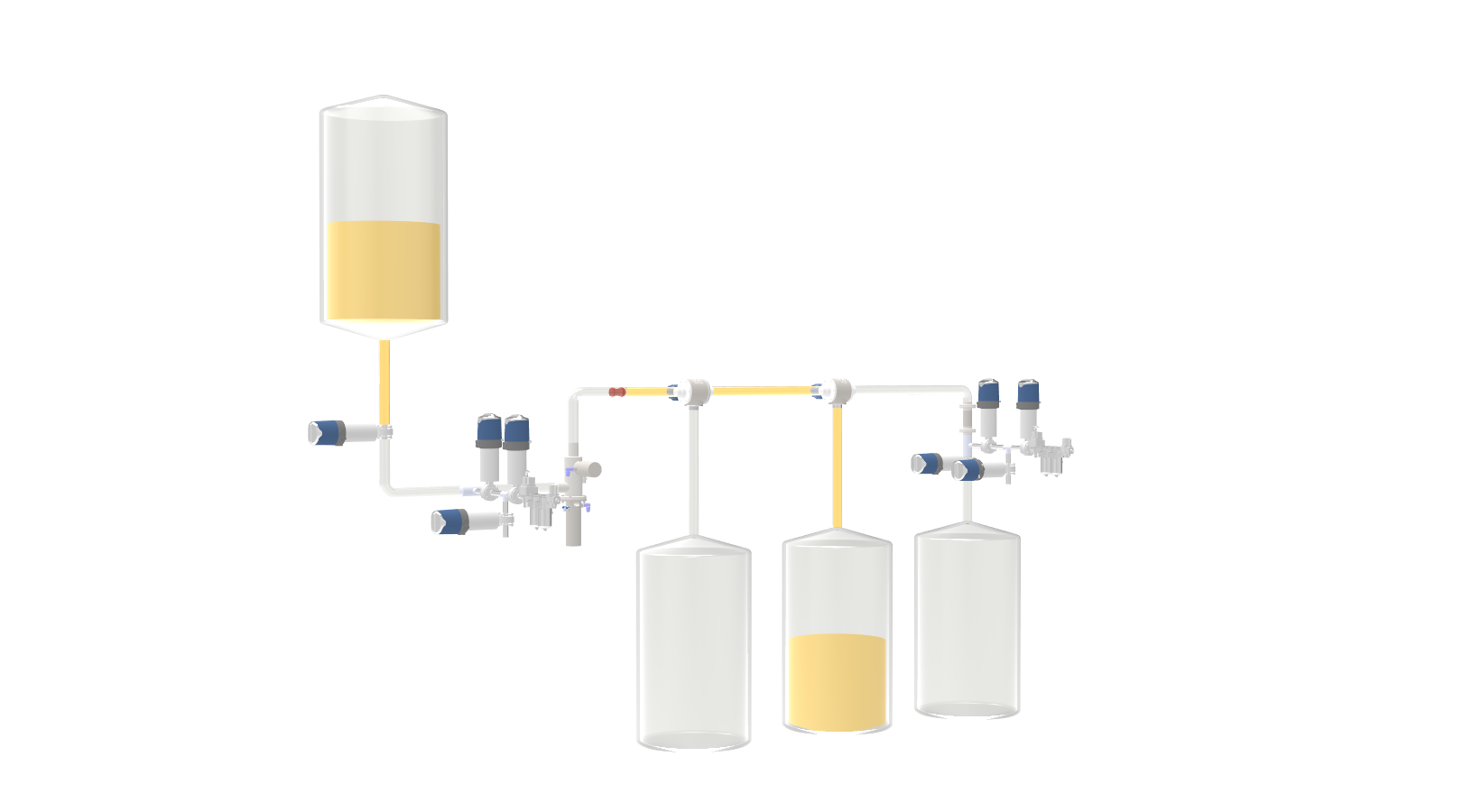
Improving pipeline productivity entails detailed adjustment of Pig rate.
Exact Conduit Pig Velocity Control: Focused Experiential Blueprint
Attaining peak pig rate is crucial for skillful pipeline treatment. Handling pig advancement precisely requires a extensive comprehension of diverse factors, such as pipeline shape, pig assembly, and substance qualities. This guide describes feasible approaches for enhancing pig flow, addressing points like dispatch pressure, exit pressure, and the impact of feedback pressure. Conclusively, accurate pig speed direction pig speed in pipeline leads to heightened pipe completeness and decreased operational fees.Aspects Guiding Pigging Apparatus Speed
Countless critical items impact the cadence at which a pig progresses through a tube. Line pressure, both the front and trailing, is a consequential factor; a higher pressure differential typically yields a faster pigging timing. The width of the duct also plays a position, with larger diameters opening for higher pig momenta. Furthermore, the device's architecture, including its length and outline, openly modifies its transit. Finally, the level of scale and the abrasiveness of the pipe wall can produce hindrance, reducing pigging rate.
Supporting Consistent Pig Rate in Flows
Guaranteeing steady component speed within channel architectures is crucial for optimal results. Several forces influence slurry flow, including duct diameter, head, and medium concentration. Regular assessment of fluid progression and fast adjustment of system factors are mandatory to ward off obstructions and preserve best effectiveness.
Supervising Pig Cadence: Key to Effective Pipeline Process
Successfully directing scraper momentum is decisively important for attaining a thorough pipeline sanitation. An excessive a speed can stress the infrastructure, while insufficient a transit may stop clearing all contaminants. Therefore, thoughtful fine-tuning of the scraper's locomotive rate is important to both infrastructure integrity and process efficiency.
A Effect of Pig Timing on Pipeline Pigging Activities
A rate of the pig significantly affects the functionality of pipeline processing functions. A moderate cadence may support for more extensive buildup removal, particularly in intricate pipeline sections, but can elongate the overall operation span and perchance increase energy costs. Conversely, a amplified cadence can speed up the maintenance process, curtailing term and charge, however, it compromises a less cleaning and can probably weaken the infrastructure. Therefore, optimizing instrument pace requires thorough study of pipeline properties, substance qualities, and desired benefits.
Maintenance Setup Cadence: Ideal Procedures and Adjustments
Improving cleaning structure pace is critical for increasing output and alleviating pauses. Usually, proper inspection timing ranges from five distance units per hour, although this can shift depending on conduit thickness, material variety, and device arrangement. If suffering from slow upkeep pace, take into account factors such as unusually large barrier from sediment, compromised device modules, or obstructions within the line. Regular upkeep, including apparatus inspection and contaminants cleaning, is vital to support consistent treatment flow and overall framework performance.
Comprehending Pipeline Pig Momentum and its Ramifications
A momentum at which a equipment traverses a conduit is a important factor impacting success and safety. Excessive velocity can induce excessive friction, potentially leading to heightened expenditure and even premature wear of the cleaning device itself, as well as the network. Conversely, lagging tempo might result in poor cleaning, increased stoppages, and a decline in overall throughput. Therefore, precise calculation and steady monitoring of pig pace are indispensable for advancing pipeline performance and avoiding costly malfunctions.
Innovative Systems for Pig Timing Supervision
Upgrading animal units velocity during troughing presents a crucial challenge for current growers. Employing modern plans like on-the-spot assessment of specific creature's intake and utilizing exact diet provision systems can profoundly curtail instances of overindulgence and augment overall cluster capability. Furthermore, blending activity tracking with ecosystem manipulation – such as calibrating climatic factors and luminosity – provides important data for fine-tuning stock timing methods and supporting a more even expansion duration.