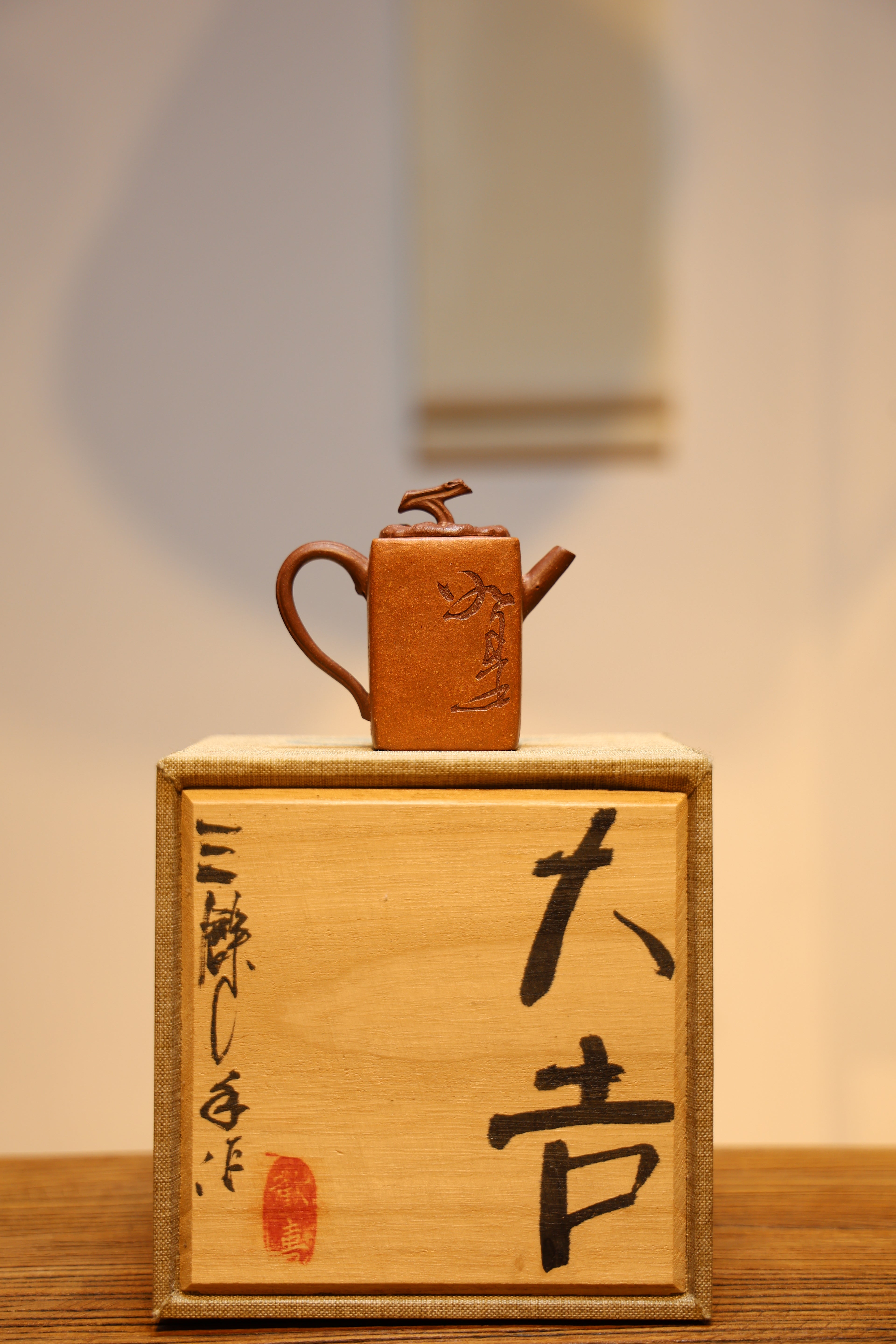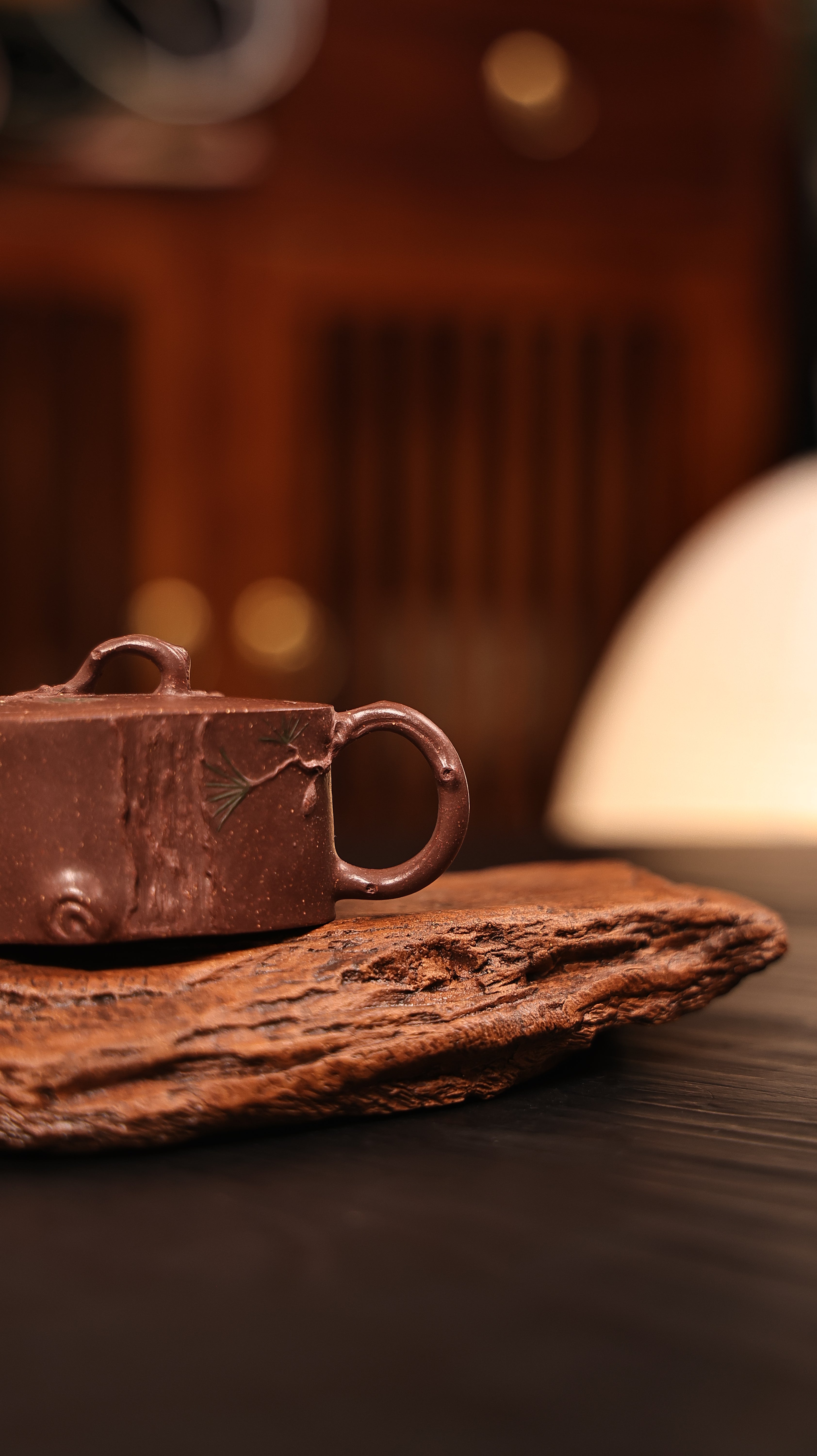
Sustained tradition distinguishes Huaihai teapots within eras,
Illustrating distinctive qualities sourced inside regional plum minerals, those earthenwares gain a luster along operation, boosting savor liberated from extracted drinks.
Discovering Yixing Material: Comprehensive Insights into Zisha
Multiple aficionados appreciate the distinctive feel of Yixing purple clay, a cornerstone of enduring Chinese workmanship. Springing from the Yixing region of Jiangsu province, this exquisite clay holds an detailed mineral arrangement, whereby furnishes amazing qualities to the crafted wares. Kinds within Zisha, including Zhuni Mud, Duan Ni Mud, and Jiang Xi Mud, each has special pigments, grains, and curing traits, impacting the permeability and the ultimate accent ripening of the drink.
Far Eastern Teapot Rituals: Uncovering Mastery
Chinese teapots embody surpassing mere receptacles for infusion; they illustrate centuries of heritage knowledge. From the legendary Yixing clay variations, respected for their open nature which conveys distinctive nuances to the brew, to the fine porcelain from Jingdezhen, each piece unfolds a tale of artistry. The construction process is an intricate operation, often handed over through bloodlines of masters. These experts use historic methods such as hand-building, sculpting on wheels, and adorned, demonstrating profound reverence for the component and the practice itself. Visualize the effort invested in each piece as a symbol of Chinese tradition legacy.
- Purple sand urns: a iconic offer.
- High-quality porcelain teapots: noted for their elegant design.
- Hand-building techniques: a laborious yet rewarding procedure.
Jiangsu Purple Kettle Maintenance: Sustaining Your Prized Possession
Optimal maintenance of your unique Yixing Zisha flask is vital to maintaining its condition. Crafted from distinct purple sand dirt, these first-rate teapots develop a lovely patina after utilization, greatly boosting their allure. Stay away from washers; a soft rinse with moderate temperature hydraulic medium is sufficient. Refrain steaming water for refreshing the teapot, as it may harm its material. Allow it to desiccate away from excessive solar rays. Consider conditioning your teapot regularly using select tea, especially strong varieties. Here is a brief guide:
- Wash with moderately heated hydrating medium.
- Withhold agents.
- Allow it to dry fully.
- Condition with excellent tea.
Background of Yixing Teapots: Early Beginnings
The history of Yixing teapots launches initially during the Jin dynasty, estimated the 16th century. Initially, these vessels were not the prized goods they are considered now. They were made by regional potters using the distinctive purple clay sourced solely in the Yixing vicinity. These early works were largely utilitarian, designed for everyday use and often simple in composition. It was not until the posterior dynasty that they opened up to earn renown beyond mere serviceable crafts.
Deciding On the Best Purple Pot: A Starter's Explanation
Approaching the arena of Yixing teapots can be formidable, but never fearing! For beginners, the central factor is understanding the sediment. Original Yixing clay is prized for its ventilation, allowing the teapot to retain the tea's flavor over time, increasing every extracting session. Evaluate the shape; traditional round shapes prevail, yet specific preferences influence. Lastly, assess the surface—while some favor an basic appearance, others value a mild gloss. Take your time in the option process—this is an buying in a treasured piece of art.
Native Clay Urns and Their Effect on Chinese Potion Ceremony
Zisha containers, existing from Yixing, China, have profoundly changed ancient Chinese potion culture. Those Yixing clay teapots, prized for their characteristic cast, surface, and exceptional ability to impart a subtle flavor to the brew, serve as more than mere devices; they are appreciated artworks and symbols of prominence. The very act of preparing and serving elixir using a Zisha teapot is steeped in heritage, elevating the experience beyond simple refreshment. Successions of artisans have developed their techniques, passed down through lineages, resulting in highly appreciated pieces. Therefore, Zisha teapots are frequently accumulated, playing a crucial part in cultivating local appreciation for aesthetics and the ceremony of beverage ceremonies.
- Singular Clay Composition
- Imparting Subtle Flavor
- Exquisite Craftsmanship
Determining Verified Valuable Regional Teapots
Securing a genuine Yixing teapot can be a fulfilling experience, but the environment is often filled with forgeries. Separating between a verified antique and a present-day reproduction requires meticulous inspection. Key evidence include the clay's rich brown shade, often displaying marked prints, and the lack of modern heating imprints. The configuration should look natural sophistication, reflecting the traditional Yixing approach. Finally, researching the craftsman's symbol is vital to verify truthfulness against certified references.
- Assess the clay's feel.
- Look for inconsistencies, indicative of tailored quality.
- Seek an authority for evaluation.
Buying Chinese Earthenware: A Elaborate Guide to Purple Clay Interpretation
The environment of Traditional Zisha pottery provides a exceptional option for shrewd collectors. More and more, the price of these custom artifacts is determined by numerous variables, such as the category of Zisha, the expertise of the artisan, the artistic meaning, and, naturally, the existing interest. Starters should dedicate effort Zisha Teapot on exploring the multiple classes of Zisha clay—such as Frosted Water, Silent Urn, and Vermilion Dirt—and investigating the traits linked to each. Rigorous appraisal of the object's profile, pigment, and imprint is equally vital to make astute choices when investing.