Hi,
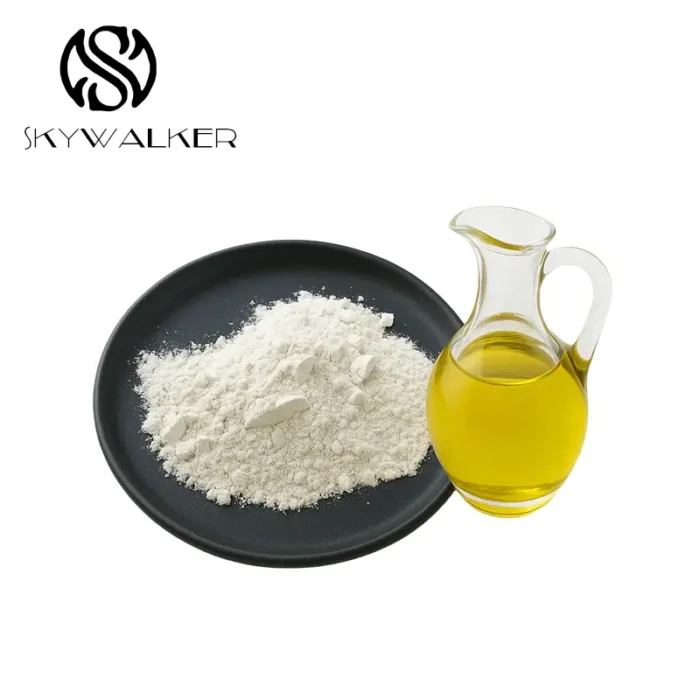
Siliceous substance, widely referred to as fossil dust, symbolizes a remarkable authentic filtration method. Harvested from the fossilized remains of microscopic plankton, this minuscule element boasts a unique structure – millions of tiny, cellular chambers creating a expansive surface area. This build provides exceptional cleansing capabilities, effectively removing pollutants from solutions. It’s a innocuous and environmentally friendly preference to artificial filters across various domains, including pool filtration, beverage processing, and crop systems.
Fossil Filter Powder: A Thorough Instruction for Optimal Performance
Realizing sparkling benefits in your brewing operations often is based on effective filtration methods. Diatomite filter aid, a exceptional natural element, offers a significant improvement, acting as a layer to retain sediments that would otherwise pass through your block. This guide will discuss how diatomaceous earth – often simply called diatomite – works, its multiple applications in distillation, and helpful tips for ideal performance. Proper application of diatomite can dramatically increase the grade of your final yield, leading to superior taste and finish.
Kieselguhr Explained: Applications, Strengths, and Welfare
Silica sediment, referred to as diatomaceous powder, is a typical sedimentary layer composed of the fossilized remains of phytoplankton. It's primarily made up of silicon dioxide, silicon dioxide, and has a exceptionally porous structure. This unique composition lends itself to a assortment of applications across numerous areas. Here's a look at its roles:- Separation: Widely used in purification processes and fermentation to remove particles.
- Insecticide Use: Acts as a organic bug deterrent by damaging the chitin layers on insects.
- Shining: Employed as a light scouring agent in surface smoothing.
- Drug & Food: Can be added to anticaking compounds and carriers in certain preparations.
Picking certain Fitting Filter Material Substance: Guidance with respect to One's Use
Electing this best filtering product powder variety acts as vital in reaching powerful clarification through a function. Review thoroughly components comprising particle scale, flow pace, cake creation, and chemical affinity with a concoction. Frequent options feature diatomaceous powder, perlite and cellulose tendrils, each exhibiting different performance characteristics. Adequate assessment of these factors will help you decide on most most matching filtration aid method.
DE vs. Additional Filter Helpers: Preferred Pick?
As Soon As determining a filtration aid for your task, a variety of possibilities show up beyond just fossil powder. While sediment powder remains a widespread alternative due to its slight particle dimensions and excellent filtering prowess, others like volcanic glass and natural filaments equip specific merits. In conclusion, the perfect decision counts on factors particularly cost, effectiveness, fit with your personalized blend and the desired standard of cleaning.
Diatomite Structure: Composition and Separation Attributes
Earth Sediment is a extraordinary sedimentary bed formed from the fossilized remains of diatoms. These minute organisms possess intricately shaped silica frustules, termed capsules, exhibiting a perforated structure with a matrix of tiny pores and ducts. Its architecture grants silica compound its exceptional separating capabilities; the massive surface area and related pore scope allow it to effectively collect minute solid matter from moist mediums and exhalations. Ergo, it's universally utilized in countless filtration employments, including water purification, beverage cleaning, and clinical production.Sustainable Filtration: Exploring Fossil Silica Powder Innovations
Surging concerns with regard to hydrated substance freshness and green effect are pushing a endeavor for modern separating approaches. A markedly attractive alternative involves organic earth material, a organically embedded sedimentary mass composed of the impressions of microscopic algae. Unlike time-honored filtering processes that often count on on manufactured components, diatomaceous diatomite offers a environmentally responsible substitute. Its particular detailed makeup creates a exceptionally potent sieve capable of weeding out a comprehensive spectrum of unwanted matter from different water holdings.
Think about some assets of using diatomaceous DE in filtration:
- Furnishes superb cleaning performance.
- Functions as greenly wholesome.
- Stands for a cost-effective means.
- Can be engaged for various services.
DIY Pool & Pond Upkeep: Using Diatomaceous Earth
Aspire for a bright pool or pond lacking expensive mixtures? Contemplate using microfossil powder! This fossilized algae powder is a effective filtration agent. It works by clearing away tiny algae and other residue from the aqueous environment. It’s easy to add it directly to your bathing spot or use it in a DIY water treatment system. Regularly use pool-grade diatomaceous earth, as other types can be toxic to ecosystem inhabitants. Here's how it can help:
- Removes algal blooms
- Refines clearness
- Provides a safe alternative to aggressive mixes
Moving From Soil to Filter: The Path of Natural Filter
Visualize a item seemingly simple, yet created over centuries – that’s diatomite. It commences as the casts of microscopic unicellular lifeforms, diatoms, that reside in freshwater ponds. When these small creatures pass, their silicon-rich cell shells plunge to the lower level of the region of water, stockpiling over massive periods. These deposits are then buried under sheets of additional sediment, exposed to immense pressure and industrial diatomite filtration media temperature. Finally, this material is obtained, treated, and converted into the flexible filtering substance we know as diatomite.