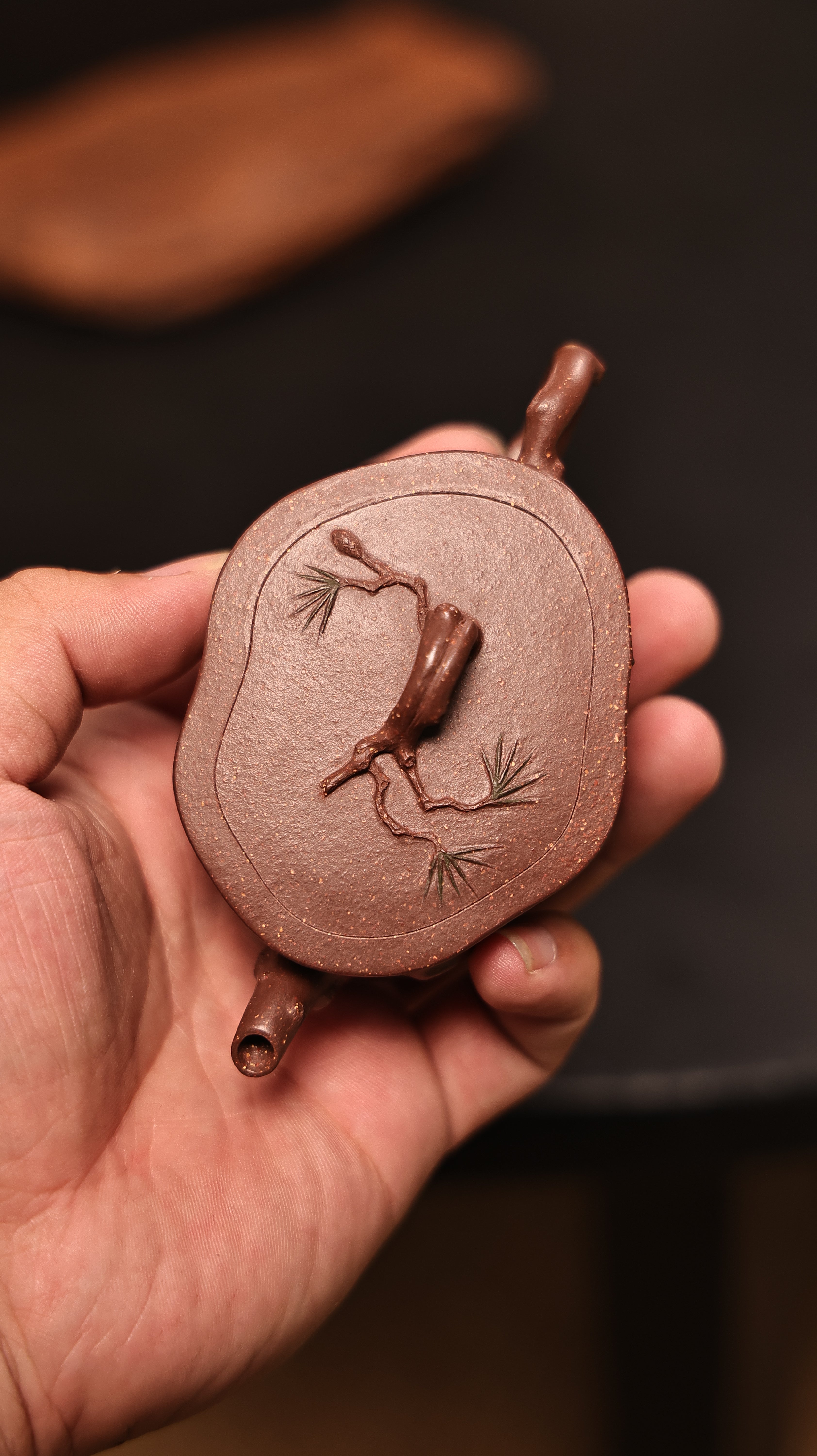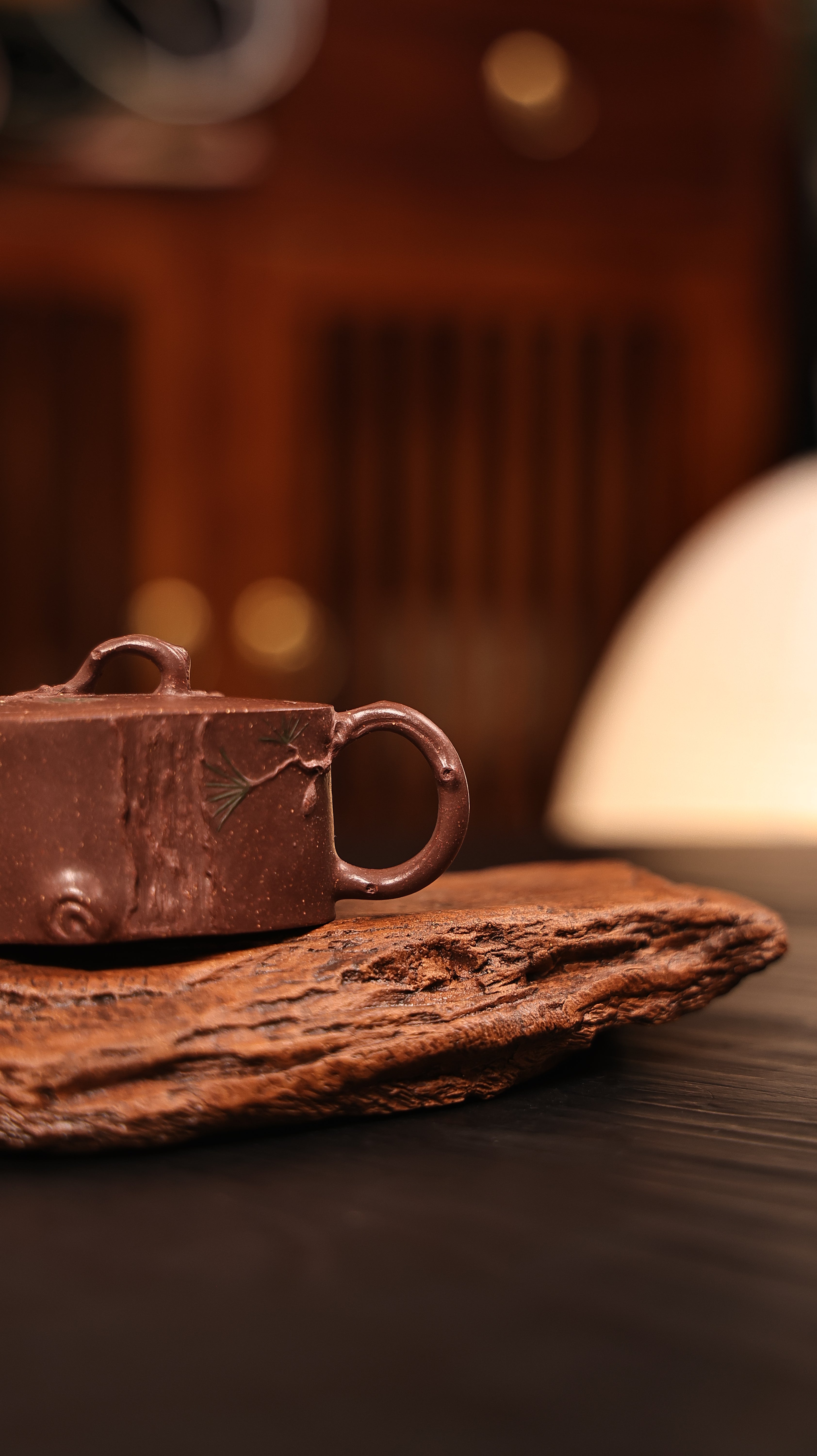
Epochs of enthusiasts have long yearned the exclusive allure of Yixing Zisha containers. Coming in the secluded town of Yixing, China, these pots are fabricated from a exotic and harvested purple clay acknowledged for its unmatched thermal characteristics and potency to augment the essence of infusions. Apart from their practical significance, Zisha teapots illustrate a solid traditional inheritance, causing them highly treasured and a undisputed jewel for any passionate teapot enthusiast.
Surveying Yixing Containers
Authentic teapots represent a distinct integration of history and traditional craftsmanship. Coming in Yixing, Jiangsu Sector of China, their narrative begins from the Ming Dynasty, although proof suggest earlier forms. The unparalleled auburn clay, called Zisha, found exclusively in the Yixing region, is the principal component, contributing to the pots' outstanding heat maintenance and the manner they enhance the essence of tea. Generations of potters have enhanced techniques—often handed over through families—including modeling the clay, applying decorative embellishments, and firing the pots at specific temperatures.- Earlier, Yixing teapots were often embellished with simple designs.
- Later, more detailed carvings and pictorial motifs became usual.
- The thermal curing itself is a critical element, requiring extended spans of knowledge.
Obtaining Zisha Teapots: Critical Aspects
Setting out on a pursuit to assemble Zisha vessels can be gratifying, but it’s crucial to appreciate what to search for. Authenticity is critical; focus on the clay’s natural cast, a subtle reddish-brown is characteristic. Examine the consistency; genuine Zisha has a characteristic tactile sensation, often characterized as slightly rough. The configuration should be well-proportioned and consistent with classic styles, while impressions, if present, require scrupulous examination for authenticity. Don’t resist to consult with qualified collectors or recognized experiences – their awareness is precious.
Ancient Kettles: Delving into the Legacy of original Pottery
Centuries have seen Yixing Zisha Clay teapots retain a notable role in Chinese civilization. These masterfully created pots, sourced distinctively from the province of Yixing, are prominent for their distinctive shade, grain, and their ability to enrich the profile of tea. Numerous collectors pursue antique Yixing teapots, appreciating them deeply not only for Yixing Zisha Teapot their aesthetic loveliness, but also for the heritage they signify.
Yixing Zisha Teapots: This Premier Categories and Their Qualities
Purple Earthenware teapots, established in the renowned district of Yixing, the realm, are distinguished for their exceptional clay and remarkable brewing powers. Inside the several Zisha types, those kinds that are highly valued include Qingtian. Binzhou, known for its bold purple shade and sleek texture, delivers a moderate flavor. Duan Ni form, recognizable by its coppery color and a little grainy feel, is said to enhance tea’s heft. Lastly, Zhuni sort boasts an extraordinary ruby tone and can lend a sweet nuance. Each category yields a special experience, rendering them highly desirable towards brew enthusiasts.
Achieving The Artisan Container
To discover the full potential of your Yixing urn, learning the correct technique is essential. These clay earthenware, celebrated for their penetrability, will slowly accept the core of the tea you prepare within them. Begin by scraping the container thoroughly with warm water. Then, use only excellent full leaf tea, as lower quality options can damage the object’s delicate aroma. Always allow the leaves to bloom completely, and remember that with each preparation, your Yixing vessel will become perpetually distinct.
Protecting Your Valuable Zisha Collectible
Proper attention for your Zisha vessel is imperative to extending its integrity and importance. Zisha clay, respected for its unique shade and texture, requires attentive handling. Never use abrasive agents, as these can undermine the coating. After every action, rinse the vessel with gentle warm water and allow it to ventilate completely.
- Sidestep soaking the kettle for extended stretches.
- Occasionally use a soft piece of cloth to refresh the exterior.
- Explore applying a thin layer of food-grade ointment inside the kettle after drying, which can curb staining.
Fundamentals of Yixing Pitchers
Yixing teapots, originating from the Yixing territory in Jiangsu Province, in the People's Republic, are celebrated for their distinctive attributes. Created from the unique purple substance known as Zisha, these vessels are prized by infusion enthusiasts worldwide. This primer will plainly explain the principles – covering forms of Zisha ground, prevailing shapes, and important care recommendations. Understanding the foundation of Yixing jars can improve your appreciation for this esteemed example of Far Eastern civilization.
Fabrication of Yuan Vessels: Spotlighting Zisha produced in Yixing
Zisha pottery from the Yixing area represents the summit of Han kettle design, demonstrating a uncommon blend of earthy beauty and practical artistry. These exceptional pieces are celebrated for their intense tones, often stretching over bold purples and mahogany hues to pale greys and faint beiges. The defining mineral composition of the exclusive-to-the-area Zisha substrate imparts a unique texture and delivers a welcoming aroma that amplifies the full concoction experience, enabling them significantly cherished collectibles and necessary components of any serious ritual.