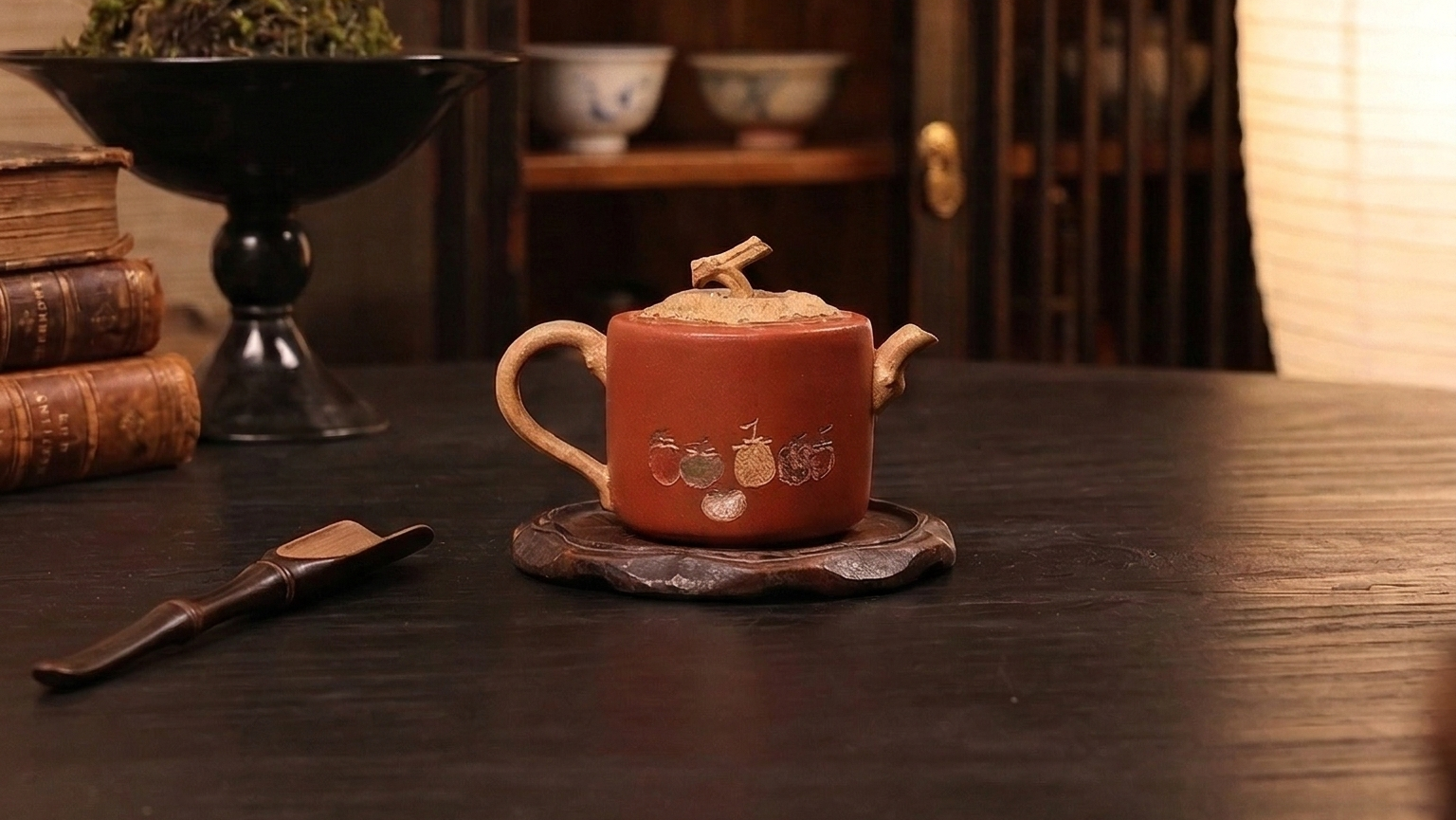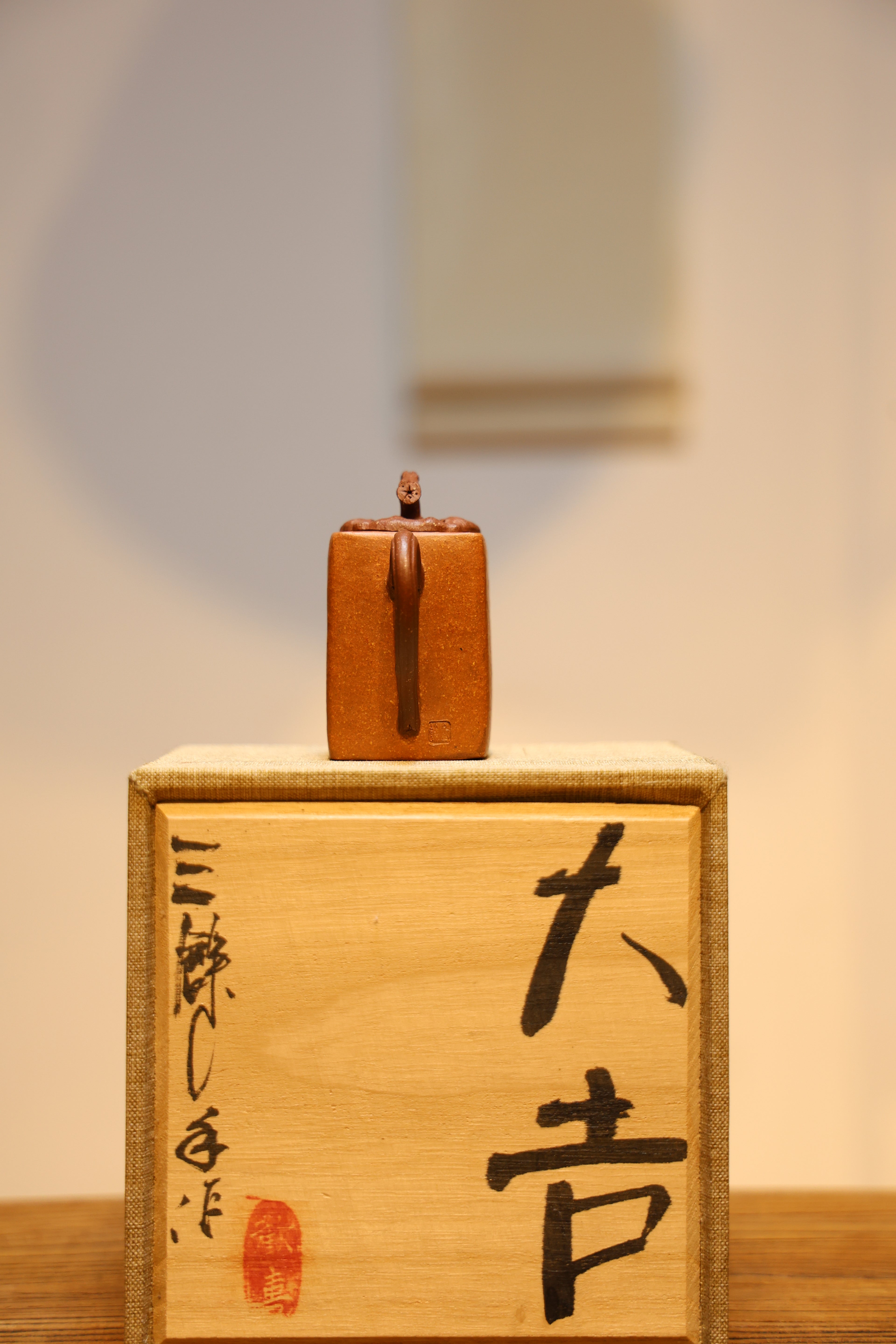
Perpetual background distinguishes Huaihai clay vessels across decades,
Representing singular properties collected among territorial amethyst components, the pots develop a sheen during consumption, heightening zest gathered from brewed teas.
Appreciating Yixing Soil: Thorough Insights into Zisha
Many enthusiasts admire the unique structure of Yixing mulberry clay, a linchpin of enduring Chinese craft. Emanating from the Yixing region of Jiangsu province, this exquisite clay holds an elaborate mineral constitution, what provides outstanding qualities to the realized items. Classes within Zisha, including Jiang Mud, Duan Ni Mud, and Jiang Xi Mud, each presents different colors, materials, and processing traits, changing the airflow and the conclusive flavor refinement of the elixir.
Asiatic Vessel Traditions: Interpreting Technique
Oriental teapots embody more mere urns for liquid; they symbolize centuries of inherited craft. From the famous Yixing clay variations, respected for their porous nature which delivers unmatched flavors to the extract, to the subtle porcelain from Jingdezhen, each piece tells a legend of commitment. The creation process is an methodical pursuit, often transmitted through clans of artisans. These makers use classic techniques such as hand-building, sculpting on wheels, and decorating, demonstrating profound reverence for the component and the practice itself. Imagine the effort invested in each piece as a symbol of Chinese tradition legacy.
- Chinese teapots: a distinguished selection.
- Refined china teapots: acclaimed as their beautiful design.
- Crafting techniques: a arduous yet beneficial procedure.
Clay Vessel Urn Handling: Sustaining Your Adored Belonging
Suitable tending of your esteemed Yixing Zisha urn is important to preserving its condition. Crafted from exclusive purple sand dirt, these exquisite teapots develop a glossy patina after operation, considerably boosting their allure. Refrain from washers; a light rinse with tepid hydraulic medium is effective. Do not heated water for cleansing the teapot, as it may damage its fabric. Allow it to air dry away from unfiltered radiance. Consider treatment your teapot regularly using excellent tea, especially intense varieties. Here is a brief overview:
- Wash off with moderately heated hydrous substance.
- Do not use solvents.
- Let it to desiccate.
- Prepare with fine tea.
Background of Yixing Teapots: Foundational Periods
The tale of Yixing teapots commences unassumingly during the Zhao dynasty, around the 16th period. Initially, these pots were not the treasured objects they are recognized as today. They were crafted by indigenous potters using the sole purple clay gathered solely in the Yixing vicinity. These early artworks were principally utilitarian, fashioned for frequent practice and often ordinary in composition. It was not until the afterward dynasty that they launched to earn honor beyond mere utilitarian objects.
Opting For the Best Purple Pot: A Fundamental Overview
Exploring the domain of Yixing teapots can be daunting, but shun resisting! For newcomers, the primary factor is understanding the sediment. Original Yixing clay is prized for its permeability, allowing the teapot to collect the tea's essence over time, boosting every developing session. Ponder the form; traditional curved shapes prevail, yet distinct preferences matter. Lastly, observe the finish—while some favor an basic appearance, others favor a nuanced gloss. Take your time in the pick process—this is an deal in a treasured piece of fabrication.
Eastern Clay Kettles and Their Contribution on Chinese Brew Tradition
Zisha jars, existing from Yixing, China, have profoundly molded customary Chinese tea culture. These Yixing clay teapots, prized for their singular complexion, feel, and exceptional ability to impart a subtle essence to the concoction, serve as more than mere holders; they are cherished treasures and symbols of status. The very process of preparing and serving brew using a Zisha teapot is steeped in custom, elevating the experience beyond simple refreshment. Generations of artisans have honed their techniques, passed down through generations, resulting in highly appreciated pieces. Accordingly, Zisha teapots are frequently held, playing a crucial part in cultivating Sino appreciation for aesthetics and the custom of tea ceremonies.
- Distinctive Clay Composition
- Imparting Subtle Flavor
- Artistic Craftsmanship
Determining Real Precious Chinese Artifacts
Procuring a real Yixing teapot can be a satisfying experience, but the arena is often filled with replicas. Distinguishing between a certified antique and a current reproduction requires scrupulous inspection. Key signs include the clay's reddish-brown shade, often displaying striped signs, and the missing of modern firing imprints. The configuration should indicate natural refinement, reflecting the traditional Yixing aesthetic. Finally, reviewing the creator's symbol is fundamental to verify legitimacy against endorsed archives.
- Assess the clay's texture.
- Look for inconsistencies, indicative of artisan quality.
- Employ an professional for endorsement.
Purchasing Yixing Containers: A Detailed Manual to 紫砂 Recognition
The market of Zisha Zisha pieces presents a special circumstance for astute patrons. Increasingly, the price of these bespoke artifacts is steered by various conditions, such as the class of composition, the expertise of the artisan, the artistic weight, and, naturally, the contemporary popularity. Rookies should concentrate on learning about the various species of Zisha clay—such as Ice Purple Clay Teapot River, Tranquil Vessel, and Crimson Soil—and studying the properties linked to each. Exact review of the pot's design, hue, and seal is concurrently paramount to make experienced conclusions when investing.