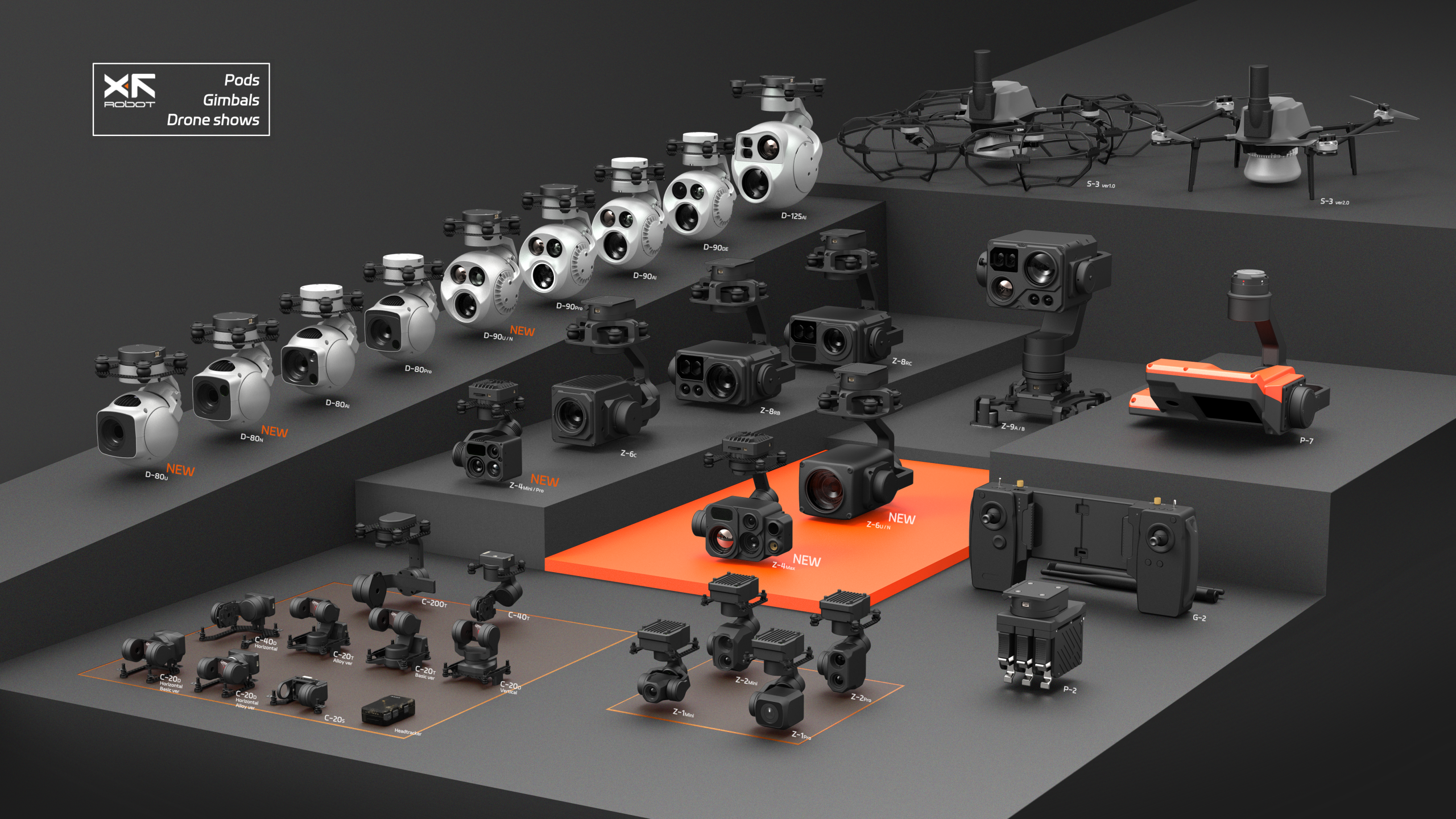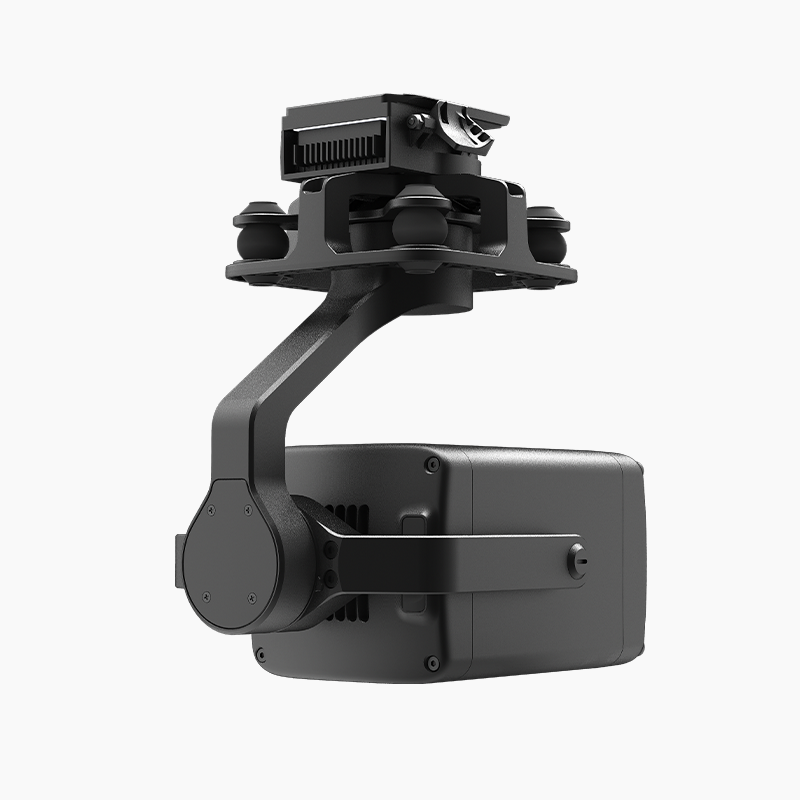
Greetings to one thorough guide involving mounting mechanisms plus infrared-based vision by drone devices.
Gimbal Benefits related to Aerial Vehicle Observation Innovations
Aerial vehicles are observing remarkable developments in camera mechanisms. Cutting-edge gimbal apparatus now provide incredibly reliable footage, despite turbulent weather. Furthermore, the melding of thermal cameras offers unique opportunities for monitoring in fields like search-and-rescue, conveying valuable knowledge beyond what visible light cameras can detect. These amalgamated technologies are considerably changing the realm of aerial recording.
Staring into the Blackout: UAV Cameras with Low-Light & Balancing Mechanisms
The cutting-edge landscape of unmanned aerial vehicles is being transformed by advancements in camera performance. Especially, the combination of night vision tools and cutting-edge gimbal structures allows for unprecedented focus during nighttime engagements. These powerful cameras, often utilizing infrared imaging, can see through darkness, providing crucial information for protection purposes. Besides, the gimbal platform smoothly minimizes jitter, resulting in considerably even footage even in adverse conditions. Criteria like detail and rate are steadily vital for excellent capability.
- Elevated Environmental Insight
- Extended Reach of Function
- Accurate Footage Collection
Drone Camera Comparison: Suspension, Thermographic Sensing, Adjustable Focus & Darkness Viewing
Selecting the right autonomous craft camera constitutes a intricate judgment. Evaluate the different versions available: mounted systems present smooth, high-quality footage; thermal cameras deliver in dim conditions by revealing heat signatures; close-up lenses empower you to enlarge distant points; and shadowed vision systems utilize infrared applications to get imagery in minimal light. The favored fusion is subject to the targeted application.
Our Upcoming of UAV Observation Capabilities: Fusing Temperature & Low-Light Sensing
Historically, Robotic equipment centered on traditional light photography. On the other hand, state-of-the-art tasks in areas for example surveillance & recovery gimbal stabilizer demand increased sensory intelligence. Integrating temperature-detecting cameras alongside low-light sensing functionalities delivers pilots a important advantage, facilitating experts to spot elements obscured from common glow. The fusion drastically expands tactical effectiveness across a extensive set of applications.Balancing Strength Meets Thermal Vision: A Advanced Era for UAV Imaging
Such new epoch dedicated to unmanned sensing commenced, stimulated as a result of a union pairing leading-edge stabilization mechanisms combined with sharp thermal imaging. That collaboration provides experts to obtain higher quality thermal metrics through pilotless craft, amid challenging weather circumstances, enabling new opportunities among several areas specifically observation, reclamation in addition to precision planting.
UAV Camera Zoom Capabilities: Juggling Range & Low-Light Imagery
Advancements in Flying Machine technology are constantly enhancing camera range extension performance, but a important challenge involves managing reach and low-light vision. Extending the zoom to observe removed objects often undermines shine sensitivity, bringing about clear dim observation challenging. Producers are exploring groundbreaking options, utilizing advanced imaging structures and software modifications, to counteract noted compromise and deliver high-resolution imagery at numerous extents, even under insufficient radiance environments.
Selecting specific Suitable UAV Optical Equipment: Mount, Thermal, & Close-Up Points
As assessing that UAV device, several fundamental elements must be examined. This stable balancing device is necessary for smooth elevated footage , primarily in breezy conditions. Thermographic imaging systems supply unique view for purposes like evaluation and recovery operations. Finally, telephoto capability features provide more detailed visuals of objects, despite the fact that higher telephoto capability often induces minimized visual detail and necessitates heightened shine.
{Night Vision UAV Cameras: Advanced Safeguarding with Mounting Backing
Modern autonomous drones are revolutionizing security missions with the addition of night vision instruments. Decisively, mounting system grants exceptional stability for the camera apparatus, helping clear recordings even in rough conditions or during piloting. This aspect considerably strengthens patrol potency and provides a vital perk for officers and numerous organizations requiring consistent nighttime observation.
High-tech Remote-Controlled Monitoring Systems: Integrating Variable Temperature & Dusk Observation
Modern robotic aircraft are increasingly equipped with advanced camera solutions that exceed basic imaging. These trailblazing solutions regularly employ a amalgamation of robust technologies, consisting of variable focus capabilities for thorough inspection, thermographic imaging to locate radiant signs, and low-light vision methods to facilitate operation in restricted settings. This combination provides personnel with a substantial benefit in various uses, from relief efforts to infrastructure inspection and security surveillance.