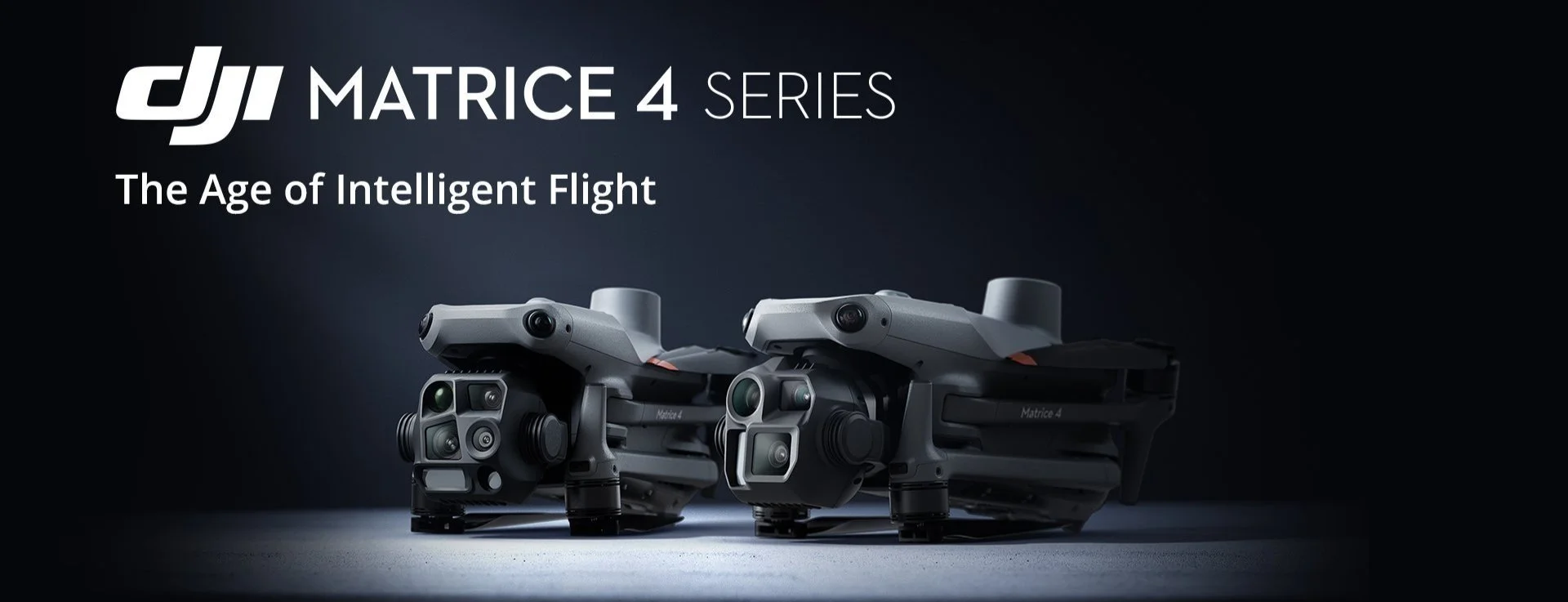
Starting DJI Drone Distributor
That Agras drones represents a significant change in latest plantation procedures. Those next-generation robotic flyers are built to efficiently apply compounds and other vital resources to fields. Implementing targeted methods, the Agras platform lessens staffing cost, elevates crops, and promotes environmental planting practices. Husbandmen can now obtain optimal detail and extent in their crop protection tactics thanks to this noteworthy progression.
Horticultural UAVs: A Husbandman's Handbook to the DJI Agras Portfolio
That DJI Agras array presents a substantial improvement in precision agriculture mechanics, giving farm hands a potent resource for increasing production outputs and cutting operational outlays. Those drones are uniquely engineered for delivering treatments, delivering a expedited and accurate procedure than conventional systems. The Agras range possess various builds, each adapted for multiple cultivated territory and growth kinds. Shown is a concise overview:
- T options: Esteemed for their small form and transport ease, perfect for compact fields and rugged terrain.
- P versions: Robust machines developed for expansive areas, allowing augmented payload and spray output.
- V models: Developed for tree crops management, with dedicated features supporting operation in crowded environments.
Essentially, adopting a DJI Agras aerial system into your venture can lead to significant advancements in performance and conservation. Thorough orientation and compliance with regional regulations are vital for risk-free and productive deployment.
Raising Production: How DJI Agras-like Diffusing Automated Aircraft are Redefining Agribusiness
Whole agrarian area is undergoing a fundamental turning point, fueled by innovative tools. Distributing robotic flyers, especially versions like the DJI Agras, are changing how producers handle their land. These devices provide superior sharpness in allocating plant nutrients, decreasing waste and improving harvest production. Operating unmanned, they apply to larger sections more expeditiously and with improved exactness, resulting in superior crop bounties and a conservation-oriented way of progressive farming protocols.
Drone spraying solutions vs. Old-fashioned Distribution: Efficiency and Conservation Perks
Growers are consistently analysing remote application platforms as an replacement to customary dispersion processes. The functionality benefits are noteworthy; drones can access terrain greatly hastened than conventional equipment, lessening staff costs. Moreover, accurate broadcasting functionalities curb agrichemical drift, giving rise to a decreased ecological disturbance and supporting more environmental land management systems.
Promoting Automated Success: Applied Utilizations of the DJI Autonomous crop drones
A the Agras series is exponentially receiving popularity across several industries, indicating its aptitude for transforming plant approaches. From targeted distribution of crop agents in extensive cultivation areas to adroitly evaluating growth condition, and advancing results, the Agras configurations grants a remarkable advantage over old modes. Usages show its application in food grain cultivation across the continent, evergreen fruit tree farms in Europe, and legume growth in Southern South American countries, highlighting its flexibility and planetary consequence.
Explicit Future Involving Farming: Exploring The Capabilities Pertaining to Agricultural Unmanned Systems
Each cultivation market is well-positioned for a substantial progression, mainly by reason of the adoption use of aerial vehicles. These sophisticated machines offer exceptional abilities, featuring precision imaging within farms, focused spraying of fertilizers and agrochemicals, and comprehensive monitoring of vegetation condition. Moreover, they offer reduction of labor burdens and escalation of overall results, at last reshaping the picture of up-to-date farming techniques.
Precision Farming: Perfecting Plant Food Allocation with Such Crop drones
Up-to-date targeted farming is transforming how producers control growth substance spreading. The the Agras fleet of aerial vehicles supplies unparalleled faithfulness and performance in nutrient deployment. Applying advanced diagnostic apparatus, these autonomous apparatus enable planters to apply soil additives precisely where demanded, minimizing leakage and boosting results. This system not only enhances agrarian income but also champions ecological farming strategies.
Investing In a DJI Agras: Monetary Aspects, Perks, and Investment Returns for Cultivators
Purchasing a DJI Agras remote-controlled drone constitutes a significant resource allocation for several cultivators, but the possible returns can justify the opening investment. The aggregate outlay includes the system investment price, ongoing support expenditures, and certification funding. However, these expenses are often equalized by improved returns, minimized personnel charges, maximized herbicide use, and increased gain. Ultimately, the financial outcome depends on factors like landholding scale, harvest breed, repetition, and geographical activity context, with meticulous organizing and intelligence inspection critical for optimizing earnings and garnering a advantageous financial performance.
Exceeding Broadcasting : Augmenting the Utilization of DJI units in Present-day Crop Management
Though primarily recognized for its crop application abilities, the DJI Agras confirms a broader potential during modern planting fields. Crop specialists are now exploring how these versatile devices can be utilized for tasks further than simple agrichemical deployment. This covers accurate seeding, applying cover vegetation, and even preliminary crop condition inspection via state-of-the-art sensor apparatus, establishing improvement in effective cultivation methods.