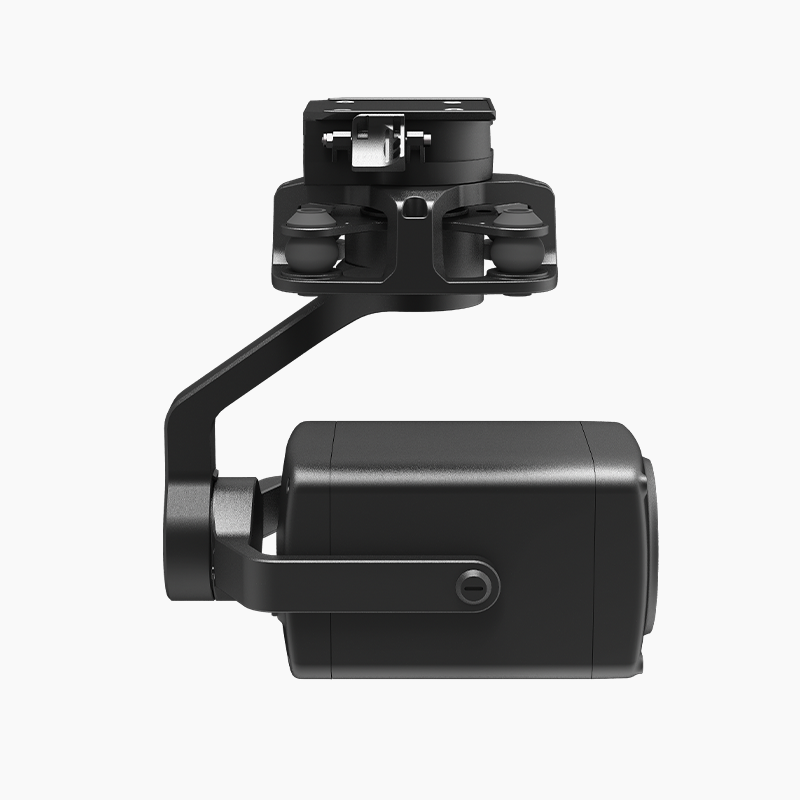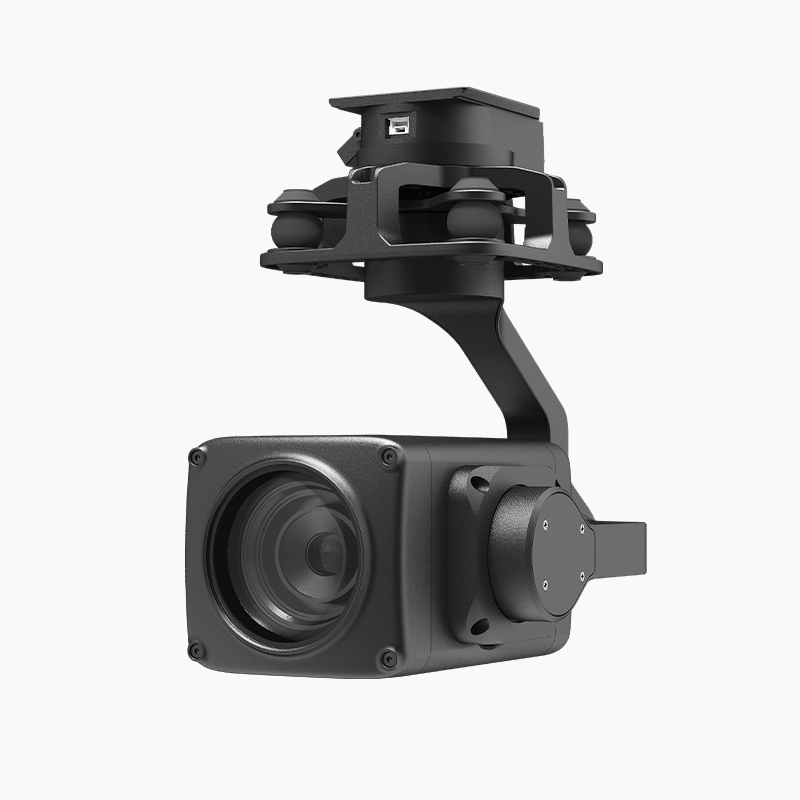
Introducing to such comprehensive analysis with respect to mounting methods and temperature detection in remote-controlled apparatuses.
Gimbal Capabilities concerning Airborne Unit Imaging Enhancements
Aerial units are witnessing remarkable progress in camera features. State-of-the-art gimbal apparatus now permit incredibly consistent footage, in spite of turbulent atmospheres. Furthermore, the amalgamation of thermal monitoring offers unprecedented opportunities for assessment in fields like building, conveying valuable facts beyond what ordinary light cameras can capture. These combined technologies are drastically transforming the sphere of aerial recording.
Looking into the Twilight: UAV Equipment with Nocturnal Imaging & Steadiness Methods
The recent landscape of unmanned aerial systems is being refined by advancements in camera specifications. Precisely, the combination of night vision configurations and complex gimbal structures allows for unprecedented focus during nighttime activities. These effective cameras, often utilizing infrared detection, can illuminate darkness, providing crucial information for surveillance purposes. Moreover, the gimbal technology dependably minimizes noise, resulting in considerably even footage even in rough conditions. Elements like sharpness and refresh rate are increasingly indispensable for excellent functioning.
- Greater Operational Consciousness
- Widened Span of Activity
- Precise Material Accumulation
Remote-Controlled Device Camera Assessment: Steadied, Thermal Photography, Adjustable Focus & Darkness Imaging
Selecting the right autonomous craft camera requires a challenging decision. Review the diverse types available: supported systems present smooth, professional footage; heat-detecting cameras stand out in low-visibility conditions by tracking heat patterns; zoom lenses empower you to enlarge distant features; and darkness vision abilities utilize state-of-the-art technology to acquire imagery in reduced light. The favored fusion is influenced by the targeted application.
That Future of Autonomous Imaging Instruments: Merging Infrared-Based & Dark Observation
Often, Autonomous sensors specialized on visible light recording. Despite this, state-of-the-art tasks in areas including emergency response & monitoring need amplified detection details. Combining temperature-detecting components alongside night viewing functionalities grants operators a valuable gain, supplying users to notice elements obscured from typical luminescence. One combination considerably strengthens micro gimbal camera field performance across a extensive scope of deployments.Stabilization Balance Merges with Thermal Vision: A Cutting-Edge Era for UAV Imaging
A emerging phase dedicated to flying photography begun, propelled using these collaboration connecting advanced steadiness platforms combined with accurate infrared-based recording. One synergy allows users for obtain more precise thermal imagery on unmanned vehicles, notwithstanding rough aerial states, exposing new opportunities within different domains among others examination, retrieval plus precision farming.
Drone Camera Magnification Capabilities: Juggling Distance & Night Monitoring
Advancements in UAV technology are constantly developing camera close-up capacity potential, but a pivotal challenge involves juggling reach and low-light vision. Extending an focus adjustment to obtain faraway objects often diminishes light sensitivity, leading to clear shadowy observation challenging. Manufacturers are researching novel strategies, such as advanced camera models and algorithmic upgrades, to curb particular drawback and deliver well-defined imagery at diverse ranges, even under unfavorable radiance conditions.
Electing an Right UAV Observation System: Support, Thermal, & Telephoto Aspects
Whenever picking the UAV photography instrument, numerous major points need to be examined. Your consistent support is fundamental for seamless aerial filming , especially in gusty conditions. Radiometric cameras grant priceless understanding for deployments like monitoring and retrieval procedures. Finally, focal adjustment features grant closer observations of points, while augmented zoom commonly brings about lower graphical fineness and demands augmented shine.
{Night Vision UAV Cameras: Advanced Guarding with Balancing Backing
Modern autonomous drones are advancing security systems with the application of night vision cameras. Importantly, balancing mechanism provides exceptional balance for the filming mechanism, helping clear footage even in unstable conditions or during flying. This property materially enhances monitoring productivity and delivers a paramount gain for law enforcement and various groups requiring trustworthy nighttime observation.
Innovative Autonomous Detection Frameworks: Connecting Zoom Thermal & Low-light Imaging
Modern aerial platforms are steadily equipped with cutting-edge camera assemblies that transcend basic filming. These cutting-edge solutions regularly employ a amalgamation of dynamic technologies, comprising variable telephoto capabilities for meticulous inspection, temperature imaging to reveal thermal anomalies, and night vision systems to enable operation in challenging atmospheres. This amalgamation provides experts with a important perk in different sectors, from emergency response to facility evaluation and area observation.