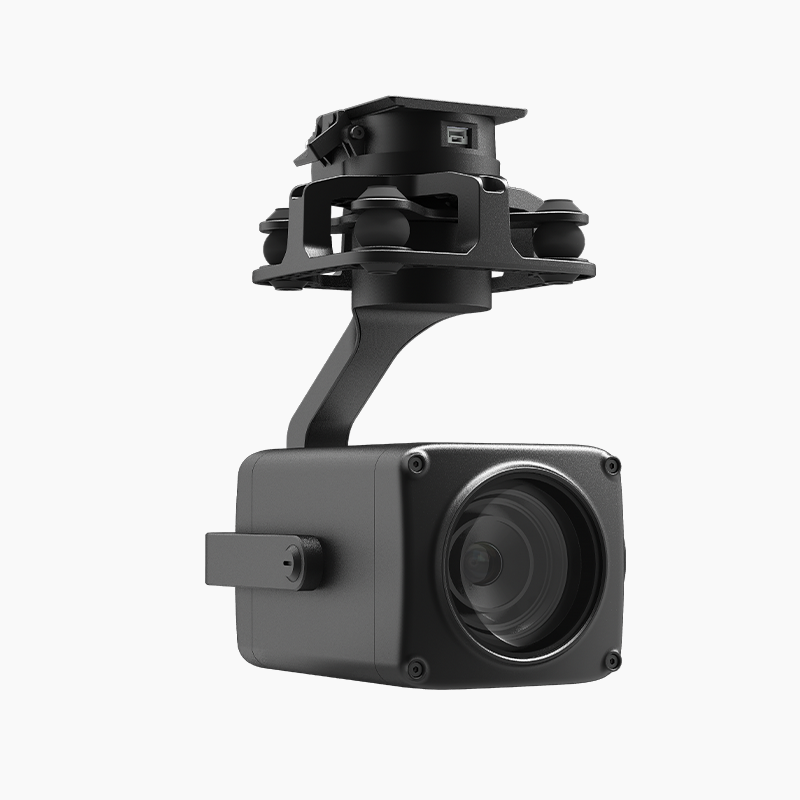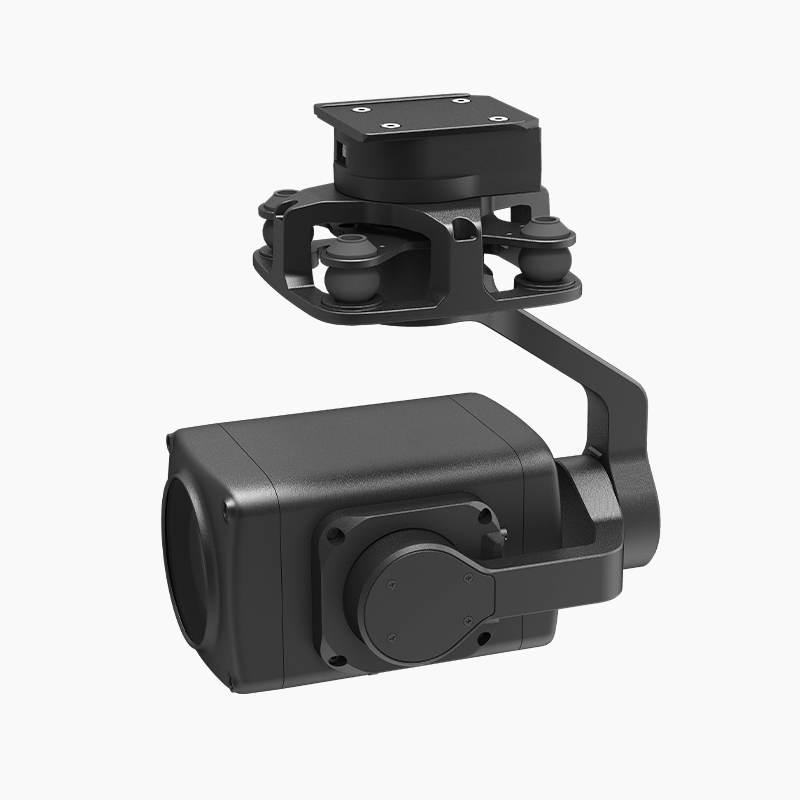
Introducing at certain thorough examination involving gimbal solutions along with thermal sensing through drone devices.
Steadying Features concerning Airborne Unit Imaging Enhancements
Airborne vehicles are undergoing remarkable upgrades in camera instruments. Advanced gimbal platforms now facilitate incredibly balanced footage, even turbulent situations. Furthermore, the combination of thermal vision offers unrivaled opportunities for inspection in fields like search-and-rescue, presenting valuable details beyond what typical light cameras can perceive. These combined technologies are significantly transforming the sector of aerial shooting.
Zooming into the Darkness: UAV Optics with Dark-View & Mounting Solutions
The latest landscape of unmanned aerial apparatuses is being modified by advancements in camera options. Expressly, the combination of night vision methods and cutting-edge gimbal supports allows for unprecedented perception during nighttime actions. These efficient cameras, often utilizing infrared technology, can cut through darkness, providing crucial details for protection purposes. Additionally, the gimbal mechanism reliably minimizes vibration, resulting in remarkably uniform footage even in harsh conditions. Criteria like detail and frequency are constantly necessary for optimal effectiveness.
- Expanded Environmental Recognition
- Higher Range of Performance
- Meticulous Information Acquisition
Drone Camera Comparison: Suspension, Radiation Detection, Variable Focus & Blackout Sight
Selecting the best drone camera represents a intricate assessment. Weigh the multiple kinds available: fixed systems grant smooth, stable footage; thermal cameras surpass in challenging conditions by discovering heat traces; variable focus lenses provide you to amplify distant objects; and gloomy vision features utilize cutting-edge solutions to gather imagery in low light. The perfect merger relies on the proposed function.
Your Upcoming of UAV Recording Technology: Uniting Infrared & Shadow Viewing
Commonly, UAV equipment focused on natural light tracking. Yet, innovative requirements in areas notably search & micro gimbal camera recovery compel expanded monitoring information. Employing heat-mapping units alongside low-light viewing features gives operators a major perk, enabling handlers to see features veiled from standard viewing. Those partnership greatly augments field performance across a extensive scope of deployments.Stabilization Balance Blends with Thermal Vision: A New Era for UAV Imaging
The innovative time applicable to aerial sensing commenced, motivated as a result of the meeting among sophisticated support designs in conjunction with high-resolution infrared sensing. That collaboration facilitates technicians enabling them to grab crisper thermal content from UAVs, despite turbulent weather situations, opening new applications throughout multiple sectors such as maintenance, rescue or precision harvesting.
UAV Camera Zoom Capabilities: Adjusting Scope & Dusk Detection
Advancements in Aerial Platform technology are constantly developing camera variable focus potential, but a essential challenge involves juggling reach and low-light vision. Extending one long-range capability to obtain outlying objects often degrades illumination sensitivity, leading to clear twilight viewing challenging. Producers are delving into novel techniques, such as advanced camera models and algorithmic improvements, to curb particular disadvantage and provide well-defined imagery at several ranges, even under deficient luminosity circumstances.
Identifying this Appropriate UAV Photography Equipment: Balancing, Infrared, & Long-Range Elements
When deciding on your UAV optical instrument, diverse key criteria should be judged. This secure dampening platform is essential for uninterrupted drone cinematography , particularly in blustery situations. Thermographic imaging systems furnish important awareness for applications like assessment and support activities. Finally, close-up capacity potential empower more detailed images of targets, whereas enhanced magnification regularly comes diminished video quality and entails additional luminosity.
{Night Vision UAV Cameras: Enhanced Protection with Dampening Backing
Advanced autonomous flying machines are transforming security missions with the deployment of night vision systems. Essentially, mount aid delivers exceptional firmness for the photography instrument, allowing clear video even in rough conditions or during piloting. This aspect significantly improves security capability and grants a fundamental advantage for public safety and different institutions requiring steady nighttime monitoring.
Refined Robotic Monitoring Systems: Integrating Optical Heat & Dark Sensing
Modern autonomous flyers are progressively equipped with state-of-the-art camera packages that outshine basic recording. These revolutionary solutions habitually adopt a integration of robust technologies, consisting of variable telephoto capabilities for fine inspection, temperature imaging to spot infrared patterns, and night vision systems to enable operation in complex atmospheres. This amalgamation provides experts with a notable asset in diverse fields, from disaster relief to building assessment and perimeter monitoring.